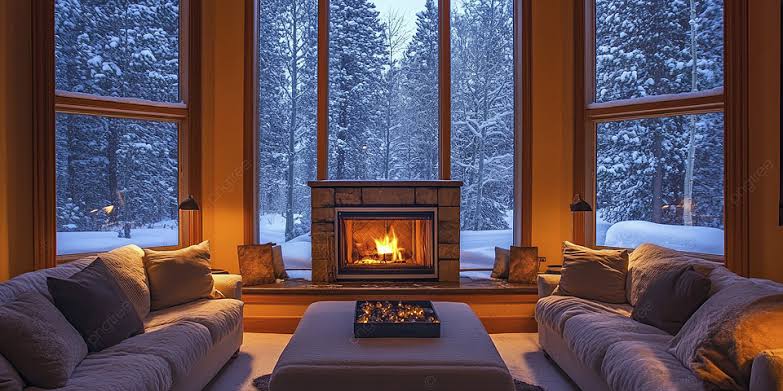
Winter has a way of making time visible.
The mornings begin slowly.
The light arrives late and disappears early.
A room can remain quiet for hours without feeling empty.
Outside, the world seems to move at a different speed.
And yet, modern life rarely changes pace with the season.
The messages continue. The notifications continue. The calendar continues. The expectation to be productive continues.
We carry summer's speed into winter and then wonder why the season feels exhausting.
Perhaps this is why hygge has become so appealing.
It is often presented as candles, wool blankets, warm drinks and beautiful interiors.
But the deeper idea is less decorative.
Hygge is a way of deciding how to inhabit time.
And winter may be the season that makes that decision most visible.
Winter Is Not Something to Defeat
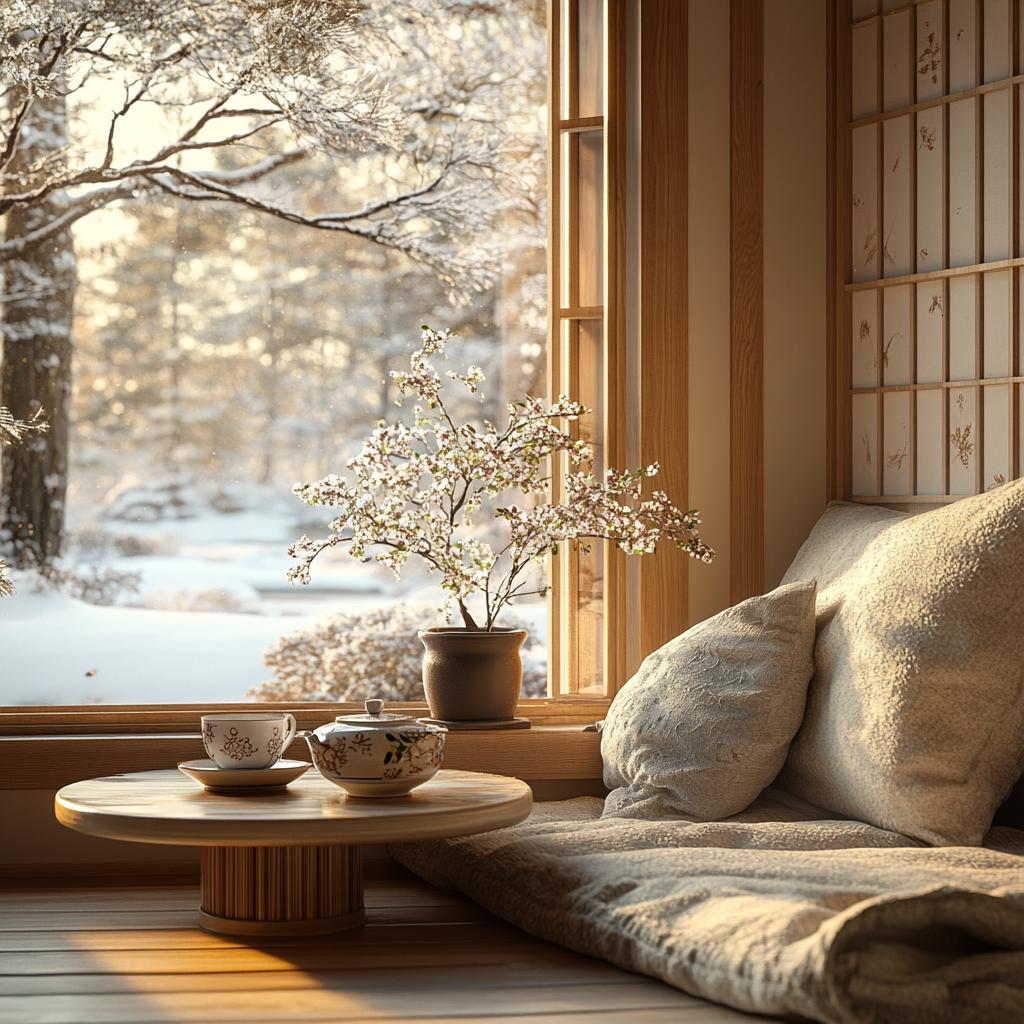
There is a particular language used to describe winter.
We survive it. We endure it. We escape it. We wait for it to end.
The season becomes an inconvenience between autumn and spring.
But what happens when we stop treating winter as a problem?
Its darkness becomes part of the day.
Its cold becomes a reason to gather.
Its slower mornings become permission to begin differently.
The absence of light becomes an invitation to notice artificial light.
The colder air makes warmth tangible.
Winter does not necessarily need to become more comfortable.
It can simply become more intentional.
Hygge Is More Than a Blanket
The word hygge is Danish, and there is no perfect English translation.
It is often associated with coziness, comfort, warmth and conviviality.
But reducing hygge to a collection of objects misses something important.
A candle can create atmosphere. A wool blanket can create physical warmth. A wooden table can make a room feel grounded.
But none of these objects automatically creates hygge.
The feeling comes from how the moment is experienced.
A simple dinner shared slowly can feel more hygge than an expensive meal eaten while checking a phone.
A cup of tea beside a window can feel more meaningful than an elaborate evening designed for photographs.
A quiet room can be more restorative than a beautifully decorated one filled with noise.
The objects help.
They are not the point.
The Pull of Urgency

Perhaps the opposite of hygge is not discomfort.
It is urgency. The feeling that everything must happen immediately.
That every empty minute should be filled.
That every message deserves an instant response.
That every evening should produce something.
That rest needs to be justified. Winter exposes this contradiction.
The season naturally encourages us to slow down while our digital environments encourage us to accelerate.
The result is a strange kind of exhaustion.
The body is sitting still. The mind is not.
Hygge can therefore be understood as a small act of resistance to unnecessary urgency.
Not a rejection of modern life.
Just a refusal to let every moment become an emergency.
A Room That Allows You to Stay
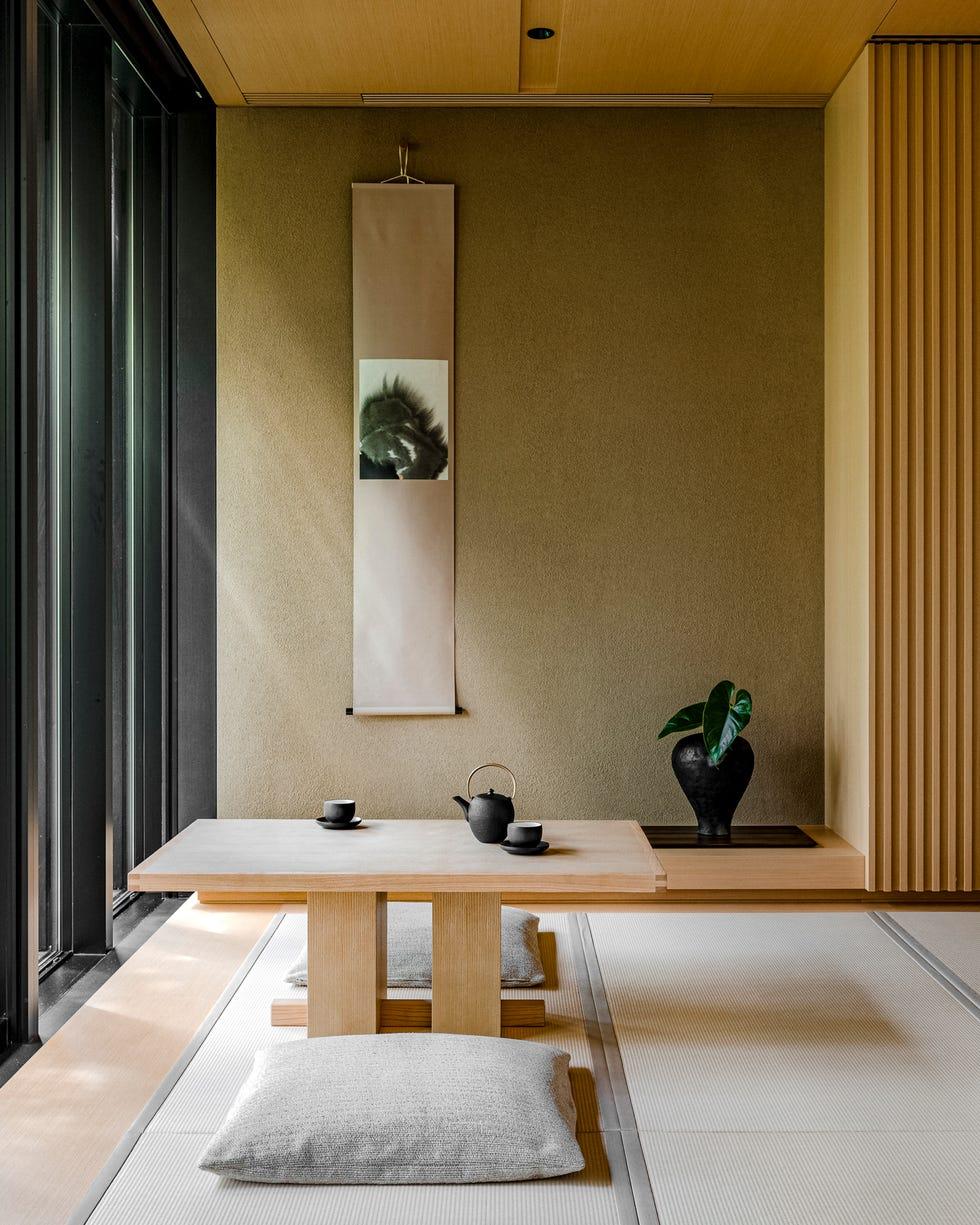
Some rooms seem designed to be photographed.
Others seem designed to be inhabited.
The difference is subtle.
A room intended only to look beautiful can become visually demanding.
Every object asks for attention. Every surface is arranged. Nothing appears accidental.
An inhabitable room does something different.
It gives you somewhere to put your book. Somewhere to place your tea. Somewhere to sit without needing to accomplish anything.
This is where hygge meets the principles of intentional design.
The room does not have to be empty.
It simply needs to support the life happening inside it.
A comfortable chair matters because someone will sit in it.
A warm lamp matters because someone will read beneath it.
A table matters because someone will gather around it.
Design becomes useful when it makes ordinary life easier to inhabit.
The Light Matters
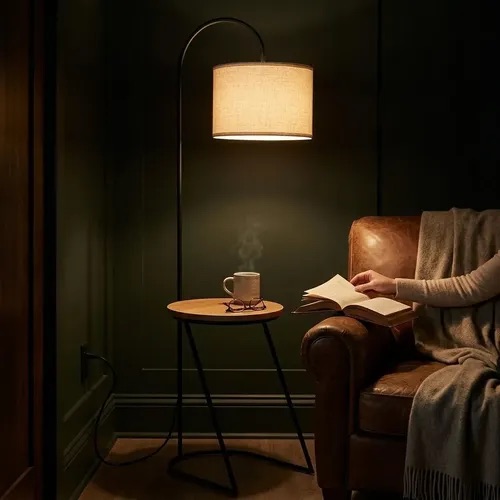
Winter makes lighting impossible to ignore.
During summer, daylight can dominate a room for most of the day.
In winter, artificial light becomes part of the architecture.
This is one reason warm lighting can change the character of a space so dramatically.
A single lamp can create a smaller visual world.
Instead of illuminating everything equally, it creates a place to be.
The corner becomes enough. The chair becomes enough. The table becomes enough.
This is particularly effective in minimalist interiors, where light can become one of the main decorative elements.
You do not always need more objects.
Sometimes you need better light.
Light for the Slower Hours
A small edit of warm, quiet lighting for winter evenings.
Explore the Lighting Edit →The Ritual of Making Something Warm

There is a reason warm drinks appear so often in descriptions of winter rituals.
They slow you down.
Water has to boil. Tea has to steep. Coffee has to be poured. The cup has to be held.
These are tiny intervals. They do not produce much.
That is precisely why they can be valuable.
A culture obsessed with efficiency tends to evaluate actions according to what they accomplish.
A ritual asks a different question: how does this moment feel while I am doing it?
Making tea can be functional. It can also be a pause.
The difference is attention.
When Nothing Needs to Happen
This may be the most difficult part.
A quiet evening without a task can feel strangely uncomfortable.
There is always something else to do.
Another article. Another email. Another video. Another product. Another notification.
The empty moment immediately becomes available for consumption.
But hygge creates space for another possibility.
Nothing needs to happen.
You can sit. You can read the same page twice. You can listen to rain against the window. You can talk without checking the time. You can drink something warm. You can simply remain where you are.
This is not laziness.
It is a different relationship with time.
The Beauty of Ordinary Evenings

The most memorable moments of a season are not always the spectacular ones.
Sometimes they are almost invisible.
The first evening the heating feels necessary.
The sound of rain against the glass.
A bowl of soup.
A lamp switched on before sunset.
A book left open beside a chair.
Someone arriving home and taking off their coat.
A table slowly becoming the center of the evening.
These moments do not photograph themselves particularly well.
But they are the texture of a life.
Hygge is often strongest when nothing special is happening.
A Different Kind of Minimalism
Hygge and minimalism can seem like opposites.
One is associated with warmth and abundance.
The other with restraint.
But they share something important.
Both ask us to pay attention to what deserves space.
Minimalism asks: what can be removed?
Hygge asks: what makes staying worthwhile?
Together, they can create a home that is neither empty nor crowded.
A room with fewer things, but better reasons for those things to be there.
A chair because it is comfortable. A lamp because it creates beautiful light. A blanket because it is used. A cup because someone reaches for it every morning. A table because people gather around it.
The objects are not decoration alone.
They participate in the ritual.
The Home as a Refuge From Urgency
A home does not have to protect us from every difficulty.
But it can protect a small part of the day from unnecessary noise.
That may be enough.
The dining table can remain clear. The phone can remain in another room. The lamp can stay on. Dinner can take longer. Conversation does not need to be optimized. There is no need to document the evening.
The world will still be there tomorrow.
This is perhaps where intentional living becomes more than an aesthetic.
It becomes a practice.
Objects for a Slower Winter
Small things that make ordinary evenings more comfortable without filling the room.
See the Winter Edit →Hospitality Without Performance
Hygge is not only solitary.
Some of its most meaningful moments happen with other people.
But hospitality does not have to become a performance.
A dinner does not need to be elaborate. The table does not need to look perfect. The food does not need to be photographed. A guest does not need to be impressed.
The goal can be much simpler: make someone comfortable enough to stay.
A warm room. Something to drink. Something simple to eat. A place to sit. Enough time.
That can be hospitality.
The room becomes generous not because it contains more, but because it asks less from the people inside it.
Winter as a Practice
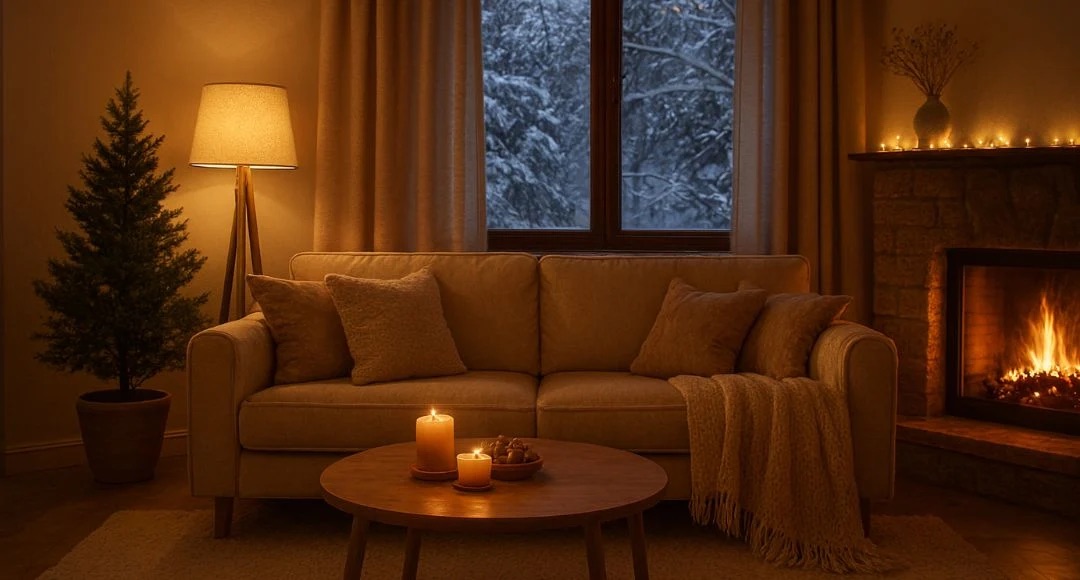
Perhaps winter does not need to become a season we escape.
Perhaps it can become a season we inhabit differently.
We cannot control how much daylight arrives. We cannot make the weather warmer. We cannot slow the outside world.
But we can decide what happens inside a room.
We can switch off unnecessary lights. We can choose a warmer one. We can put the phone away. We can make tea. We can cook slowly. We can invite someone over. We can leave an evening unfinished. We can allow a room to become quiet.
These are small decisions.
None of them changes the world.
They change the scale at which we experience it.
The Discipline of Slowness
Slowness is sometimes presented as something that happens naturally.
It rarely does.
Modern life is very good at filling empty space.
If we want quiet, we often have to protect it.
If we want attention, we have to stop dividing it.
If we want rest, we may have to resist the feeling that rest should produce something.
This is why winter can become a practice.
It gives us an opportunity to notice how much speed we carry unnecessarily.
And then, occasionally, to put some of it down.
Nothing Is Waiting to Be Optimized
There is a particular freedom in an evening that does not need to become better.
Dinner does not need to be perfect. The room does not need to look finished. The book does not need to be completed. The conversation does not need to reach a conclusion. The moment does not need to become content.
It can simply remain a moment.
Perhaps this is what hygge ultimately protects.
Not comfort alone.
Attention.
The ability to be where you are without immediately asking where you should be next.
Winter Is a Practice, Not a Season
Winter will end.
The days will become longer. The windows will open. The blankets will move back into cupboards. The warm lamps will become less necessary.
But the practice can remain.
The slower breakfast. The quiet room. The phone left untouched. The cup held with both hands. The evening without an agenda.
These are not things that belong exclusively to winter.
Winter simply makes them easier to notice.
Perhaps that is the real lesson.
Hygge is not about creating the perfect cozy room.
It is about creating moments in which we no longer feel compelled to rush through our own lives.
And sometimes, on a dark winter evening, that is enough.